
Day One of ANDE South Asia Convening 2025 dived into strengthening place-based ecosystems, exploring diagnostics, policy levers, and vital local collaborations. Amid shifts in global trade and development, the sessions underscored an urgent call to fortify regional networks and deepen ties among ecosystem players.
SESSION 1: The Green Transition – Financing Sustainable Futures
Anchored & Designed by Accelerate Prosperity – Aga Khan Development Network
SAC 2025 kicked off with moderator Harris Khan (Chief Investment Officer, Accelerate Prosperity Pakistan) steering a strong panel toward tangible green breakthroughs. Harris highlighted their green growth framework, backing climate-smart businesses that deliver profitability, sustainability, and environmental responsibility. This empowers entrepreneurs to seize opportunities, embrace risks, and drive measurable community impact.
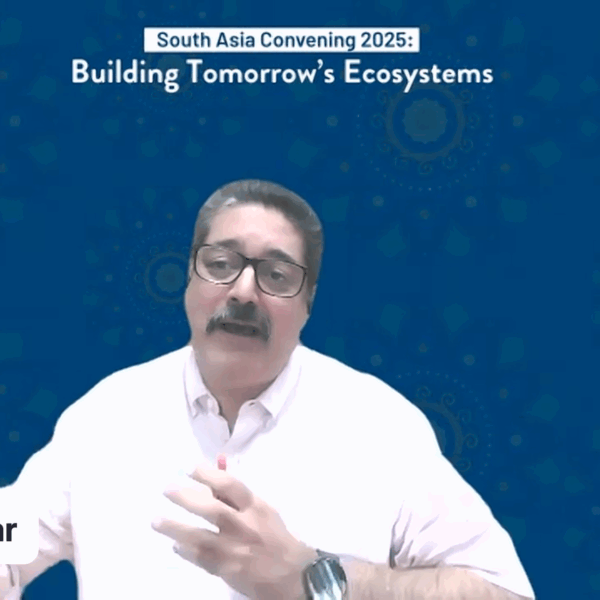
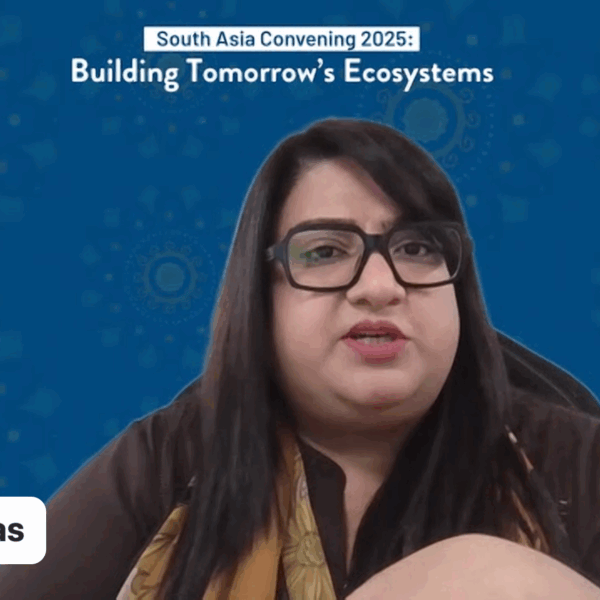
Outlining ways their work advances green transitions, Farva Rashid Minhas (Director – Programme, Asia Foundation-Pakistan) highlighted climate-smart entrepreneurship integrated with women and youth empowerment, regional environmental resilience systems, and sustainable economic growth practices. Karim Sumar (Global Executive & Board Director, AKDN) revealed their strategy of tilting portfolios toward clean energy, climate-resilient agriculture/food systems, and basic infrastructure like water, and how they hardwire climate/social values into processes, probing risks, community impact, and governance pre-capital.
Discussing Southeast Asia’s clean energy ecosystem, Stanley Ng (Global Partnerships Director, New Energy Nexus) emphasized unlocking leverage through structured catalytic funds, as governments struggle to activate private capital. In Indonesia, their small pilot fund backed by due diligence catalyzed 40x leveraged capital returns per dollar invested, de-risking small-ticket climate deals for hesitant private investors and corporates via shared know-how.
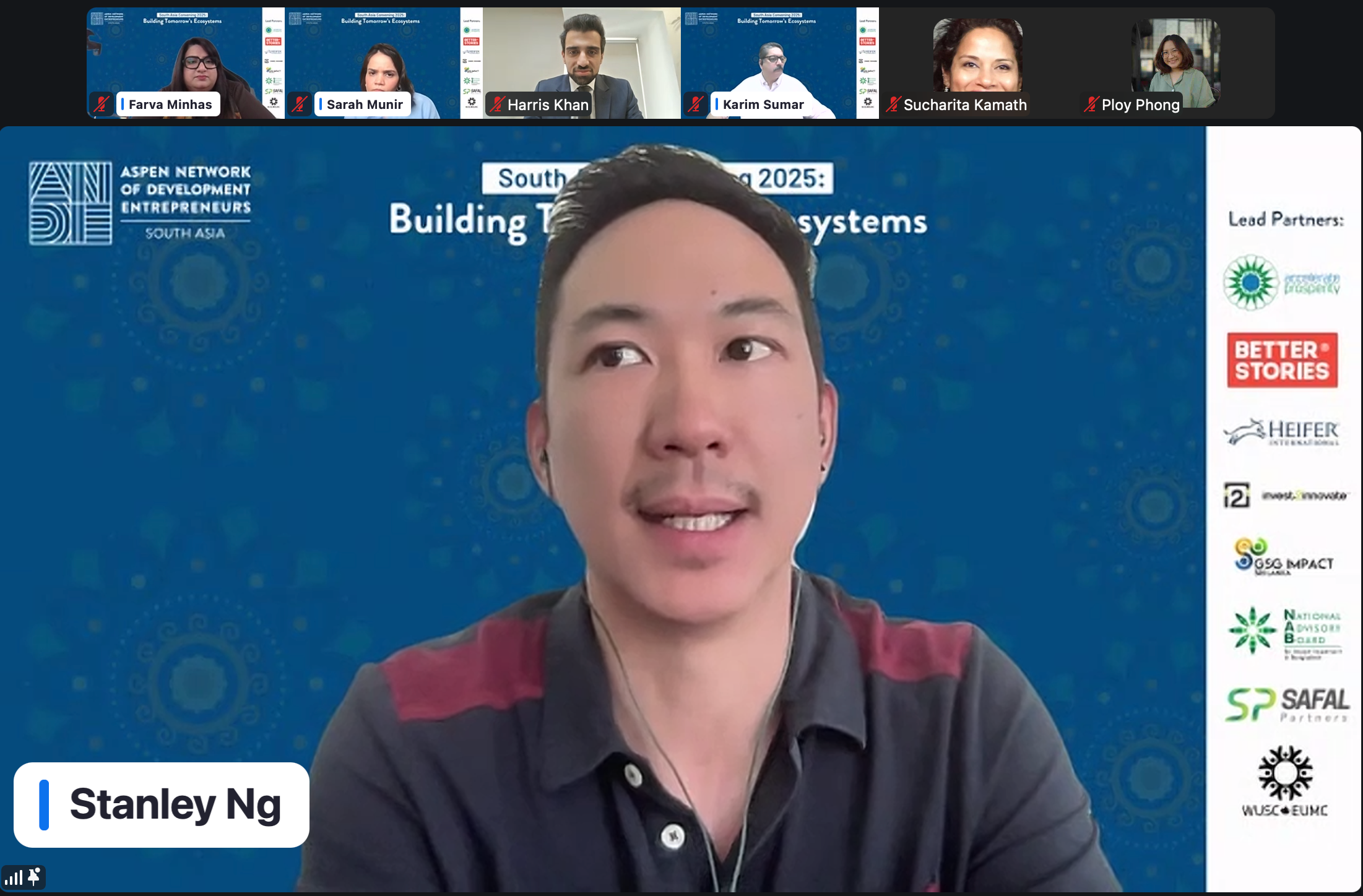
Underlining Asia’s growth and deployment potential, Stanley said, “South Asia and Southeast Asia are going to be the main markets of opportunity for climate technology deployment in the next decade.”
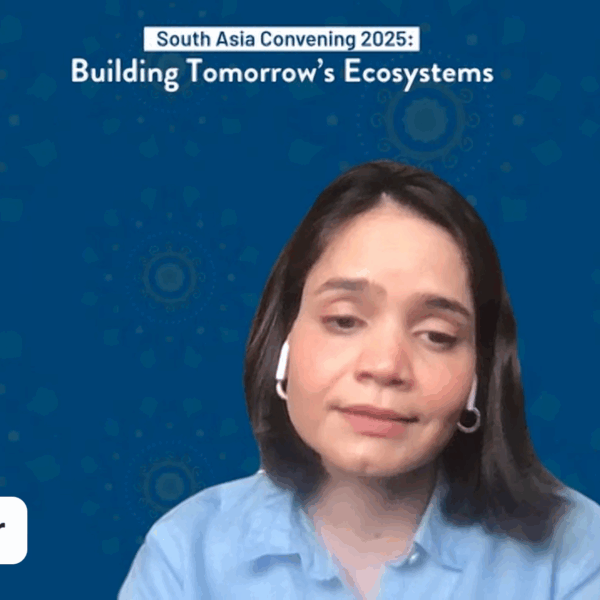
Exploring Pakistan’s climate tech appetite, Sarah Munir (Chief Executive Officer, Invest2Innovate (i2i)) revealed climate tech claims only 2-3 percent of startup funding between 2018-2024, concentrated in e-mobility and agritech, with smaller deal sizes and just 5 percent from the domestic private sector. She added that stronger pipelines and cleared misconceptions are needed for deeper capital flows over the next decade. The session underscored coordinated platforms over isolated projects for South Asia’s green transition.

SESSION 2: Navigating the Uncertainties: The Fall of NGOs and the Rise of Social Entrepreneurship
Anchored & Designed by Better Stories
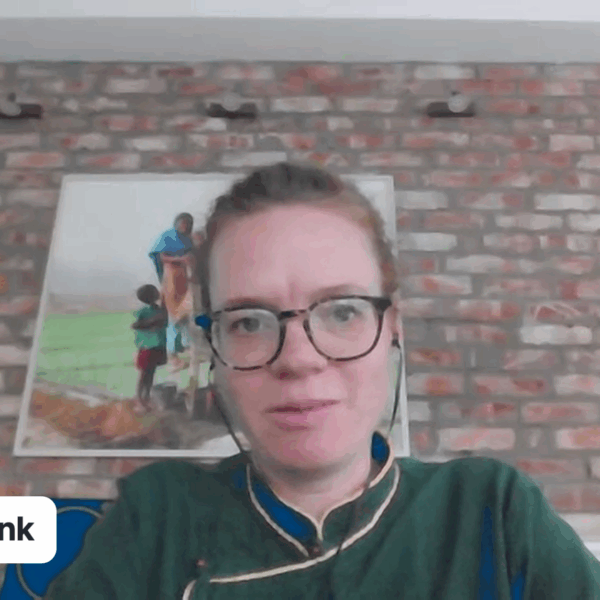
Moderator, Minhaz Anwar (Chief StoryTeller, Better Stories), opened this insightful discussion by introducing Max Tap Water’s 2019 spin-off from Max Foundation NGO. Maartje Pronk (Senior Manager, iDE) explained how Max Foundation’s pilots faced challenges as an NGO due to free-service expectations hindering revenue, donor-mandated 100 percent burn rates stifling efficiency/profit reinvestment, legal/admin hurdles for impact investments, and mindset gaps. But a separate social enterprise enabled true sustainability while retaining NGO synergies in WASH/nutrition.
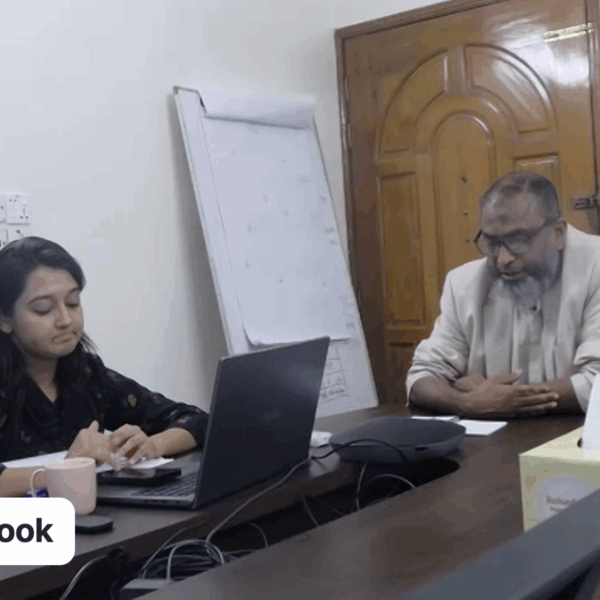
Elaborating on their endeavour to provide water to people, Yameen Farook (Managing Director, Max Social Enterprise), explained that their challenges included non-revenue water, high energy bills, governance, and aquifer contamination—addressed by evolving from NGO innovation lab through incubation/acceleration to smart grids (IoT, solar, digital payments) targeting 125 water supply upgrades for 30 percent uptime gains and 25 percent loss cuts.
Farhad Reza (CEO, Build Bangladesh) outlined NGO investability criteria: bridge social mission, environmental commitments, and commercial discipline by addressing scalable needs with market-tested, payable solutions; evolve donor-dependent governance to transparent/professional structures; demonstrate measurable impacts (e.g., disease reduction, productivity gains) with solid unit economics; align with national/SDG priorities for blended finance.
Thinley Choden (CEO, Loden Tewa) shared how Bhutan’s entrepreneurship ecosystem faces the same “missing middle” funding gap, prompting Loden Tewa’s spin-off from Loden Foundation’s 18-year grant program (320+ entrepreneurs) to deliver catalytic capital for growth-stage ventures. The NGO-to-enterprise pivot demands new teams and mindsets that fuse impact with business discipline, transforming beneficiaries into empowered customers with real choice.
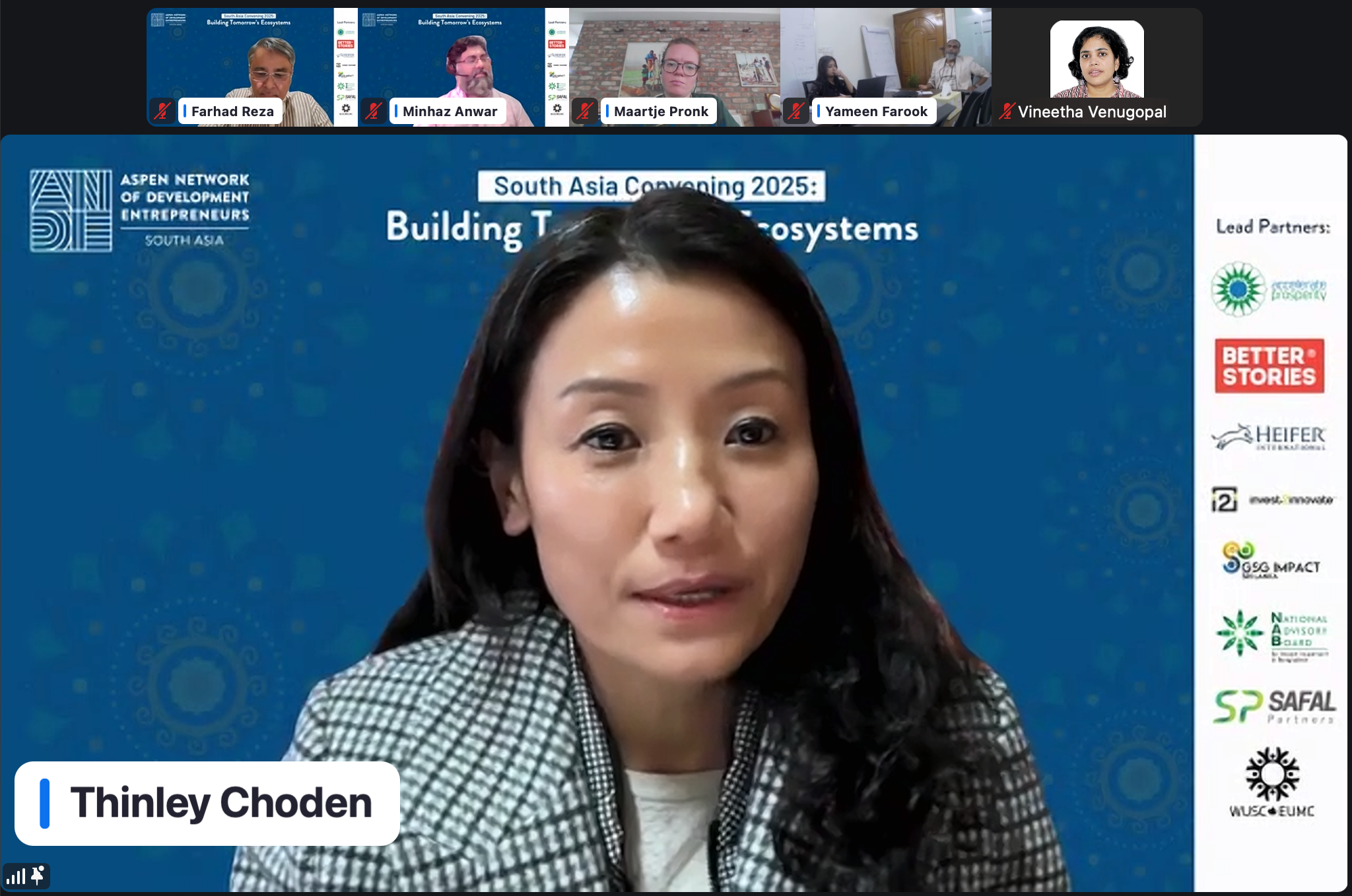
Emphasizing Bhutan’s embedded impact ethos, Thinley Choden said,”The social impact is part of their DNA, is part of their business model, is part of their value chain development, is not an add-on. It’s not an afterthought.”
SAC 2025 demonstrates how ecosystems can thrive through bold NGO-to-enterprise spins, blended finance bridging missing middles, and shared failures fueling resilience.
SESSION 3: Work, Skills, and Equity: Shaping a Future that Works for All
Anchored & Designed by Arthan Careers
Anchal Kakkar (Co-founder, Arthan & EquiLead) started the discussion by highlighting the mismatch between traditional skilling and changing work realities, especially in South Asia’s 80 percent informal economies (India, Bangladesh, Nepal, Pakistan), complicating equity and inclusion. Megha Jain (Advisor – Private Sector, Gates Foundation) outlined philanthropy’s role in South Asia’s informal 75-90 percent workforce amid digitalization/automation, building evidence for worker-centric/gender-intentional models like Amazon Saheli, boosting women entrepreneurs.
Aparajita Agrawal (Director of Development & Strategic Partnerships, Value for Women) emphasized that for most women in South Asia, work is fluid and informal rather than a straight-line career path. What really helps them thrive is not just technical skills but confidence, basic digital comfort, and strong peer networks, along with workplaces that offer small but meaningful shifts in flexibility, dignity, and manager mindsets.
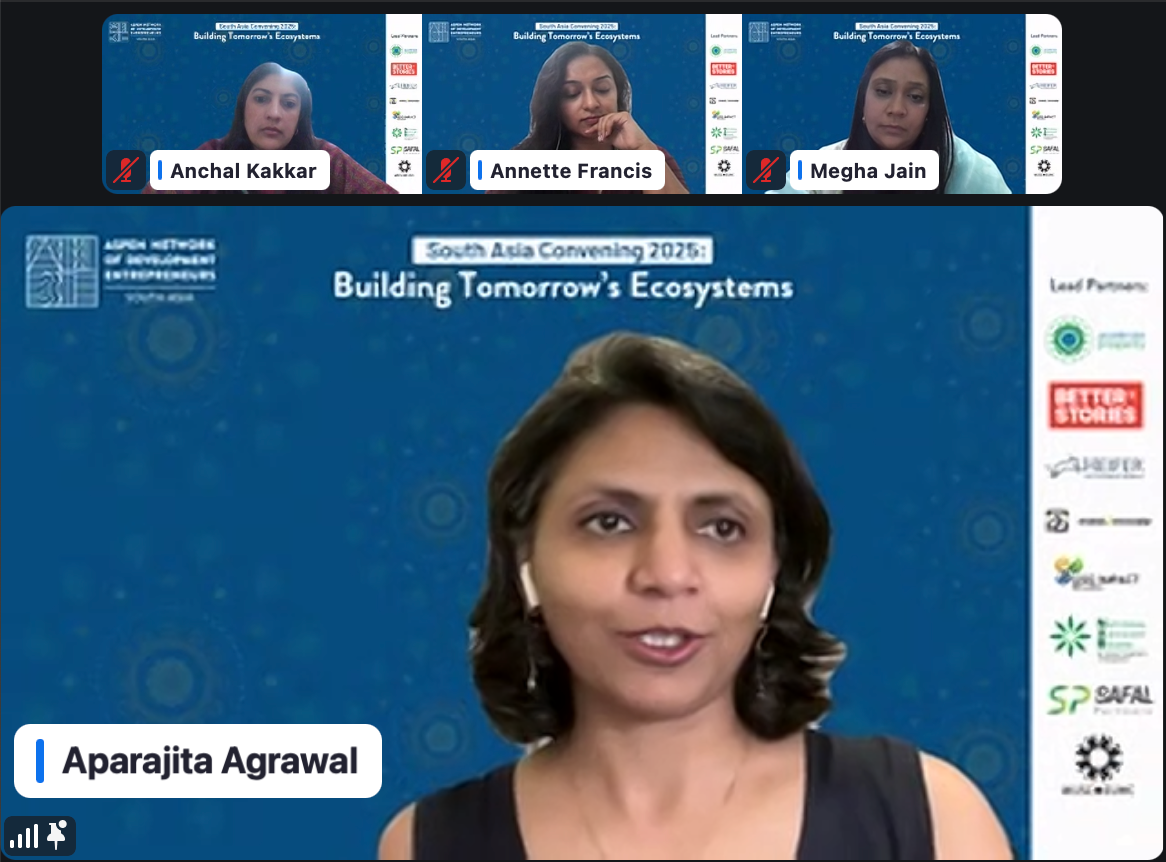
Emphasizing women’s broader skill needs, Aparajita said, “The women we work with succeed not because of one specific technical skill, but because they’re building the capabilities to navigate uncertainty—agency and confidence to negotiate, the ability to move between income streams, and even something as simple yet transformative as digital comfort.”
Diving into the need to build a resilient mindset, Annette Francis Parakkal (Director, Pratham Education Foundation) stressed that skill development organizations must build solid foundations (adaptability, empathy) for India’s informal economy, as industry evolves too fast for comprehensive training. Annette explained that alumni data shows young people who stay in the workforce longer build greater resilience through real-world experience, far more than initial training alone can provide. She added, “I think if we’re able to create that space for young people to enter the workforce seamlessly, we might actually be putting them onto a pathway of lifelong learning, where they will be able to consistently adapt and build new skills, and then just flow with the current of the future of work.”
This session revealed that re-skilling South Asia’s informal workforce demands blending technical foundations with agency, resilience, and peer networks, far beyond traditional training. Cross-border collaboration on portable credentials, digital standards, and care/climate protections will unlock dignified, adaptive futures for migrants, gig workers, and women entrepreneurs.
Day One of SAC 2025 clarified a guiding framework for South Asia’s entrepreneurial resurgence: ecosystems fortified by green financing, NGO-to-enterprise pivots, and human-centered skilling that honors informal realities. As uncertainties mount from official development assistance (ODA) cuts to climate shocks, shared insights ignite cross-border action and inclusive prosperity.