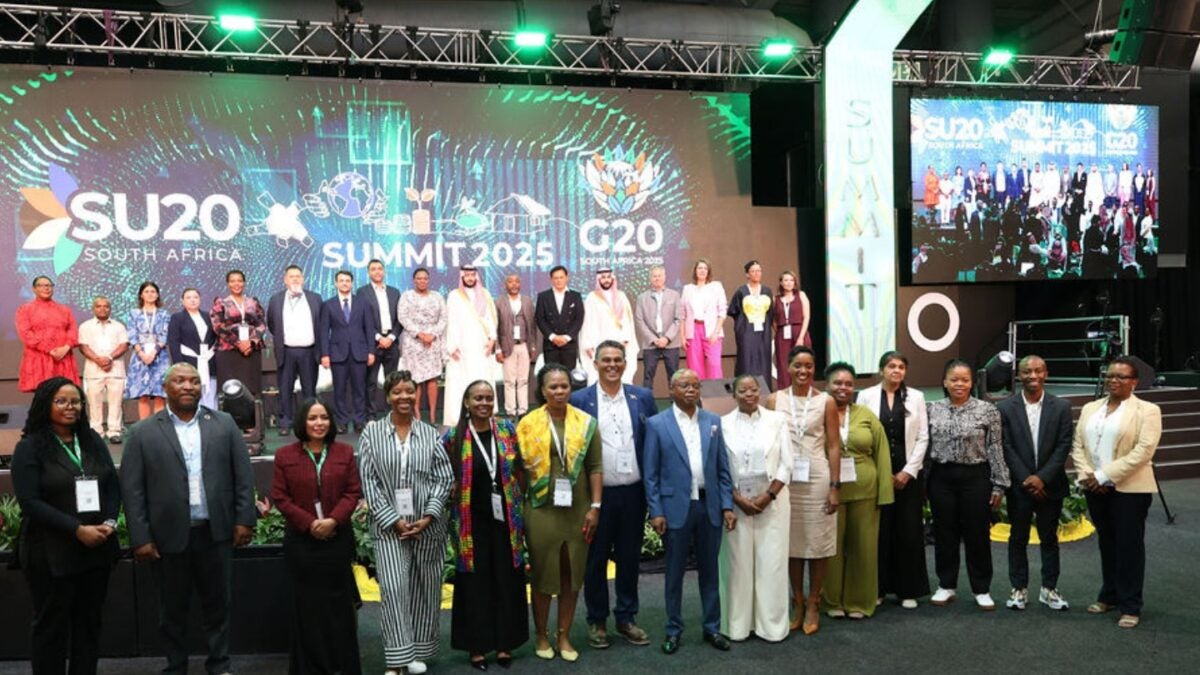
The 2025 G20 Summit Redefined Global Development Priorities. held in Johannesburg, South Africa, marked a historic shift, elevating entrepreneurship as a core driver of inclusive growth. New commitments on finance, innovation, and Africa’s leadership signal transformative opportunities for MSMEs worldwide.
What the 2025 G20 Leaders’ Declaration Means for Entrepreneurship
In November 2025, global leaders gathered in Johannesburg for a milestone in international economic cooperation: the first G20 Summit ever held on African soil. While the event unfolded amid complex geopolitical tensions, one development stood out for the entrepreneurial ecosystem. For the first time, the G20 placed entrepreneurship, particularly startups, MSMEs, and innovation-driven enterprises, at the center of its vision for inclusive and sustainable growth.
South Africa’s presidency, guided by the theme Solidarity, Equality, and Sustainability, positioned entrepreneurship not as a peripheral issue but as a strategic pillar for global development. The 2025 Leaders’ Declaration reflects this shift with a level of clarity and ambition unmatched in previous summits. Below is a closer look at the commitments made, why they matter, and how they could shape entrepreneurial ecosystems around the world.
A Summit Rooted in Ubuntu
South Africa infused the Summit with the philosophy of Ubuntu: “I am because we are”, as a framework for renewed global cooperation at a moment of widening economic divides. For entrepreneurs, this ethos translated into a call to broaden opportunity and strengthen the enabling conditions for those who build businesses, generate employment, and anchor local economies. The narrative of shared prosperity was not merely symbolic; it shaped substantive policy outcomes affecting enterprise development.
Entrepreneurship Moves to the Center of the Global Agenda
One of the summit’s most significant outcomes was the G20’s first explicit recognition of entrepreneurship as a cornerstone of global prosperity. Startups and MSMEs were acknowledged as central actors in economic transformation, resilience, and innovation. This recognition matters: it influences how governments set priorities, how international institutions allocate resources, and how long-term policy frameworks are designed. It also establishes a clearer mandate for integrating entrepreneurial policies into global economic governance.
Closing the MSME Finance Gap
Access to finance remains among the most persistent barriers for small businesses worldwide. The 2025 Declaration addressed this challenge directly, strengthening commitments under the Global Partnership for Financial Inclusion to expand financial access, improve credit and insurance markets, and support MSME-focused financing ecosystems. For African MSMEs who face some of the world’s widest credit gaps, these commitments could unlock new pathways to capital, particularly if paired with domestic reforms and blended finance mechanisms.
Africa at the Forefront
Hosting the Summit enabled African leaders to shape the agenda in unprecedented ways. The launch of the Finance Track Africa Engagement Framework (2025–2030), the expansion of the Compact with Africa initiative, and new support for integrating African MSMEs into global value chains signal the strongest G20 alignment yet behind the continent’s economic ambitions. For emerging enterprises across Africa, this could mean improved market access, stronger regional integration, and more predictable investment conditions.
Building Inclusive Industrialization
Industrialization featured prominently, with G20 members committing to strengthen value chains, build productive sectors, and promote sustainable industrial development. These measures have direct implications for SMEs in manufacturing, agri-processing, textiles, renewable energy, and digital production, offering a more supportive environment for scaling operations and entering competitive regional and global markets.
Innovation, Digital Infrastructure, and AI
The Declaration underscored innovation, and particularly artificial intelligence (AI), as drivers of shared economic growth. Leaders committed to expanding access to computing capacity, data resources, and digital public infrastructure. The new AI for Africa Initiative aims to build local technical capabilities, develop sovereign digital infrastructure, and support appropriate regulatory and governance frameworks. These steps create the foundation for more competitive digital innovation ecosystems, especially in emerging markets where infrastructure gaps remain significant.
New Markets in Clean Energy and Critical Minerals
Climate action and the just energy transition opened additional areas of opportunity. Frameworks adopted in Johannesburg support investment in clean energy technologies, clean cooking solutions, and critical minerals value chains, emphasizing local beneficiation and sustainable development. These commitments could stimulate entrepreneurship in green manufacturing, climate-tech, and energy access fields where early-stage enterprises often struggle to secure both capital and market demand.
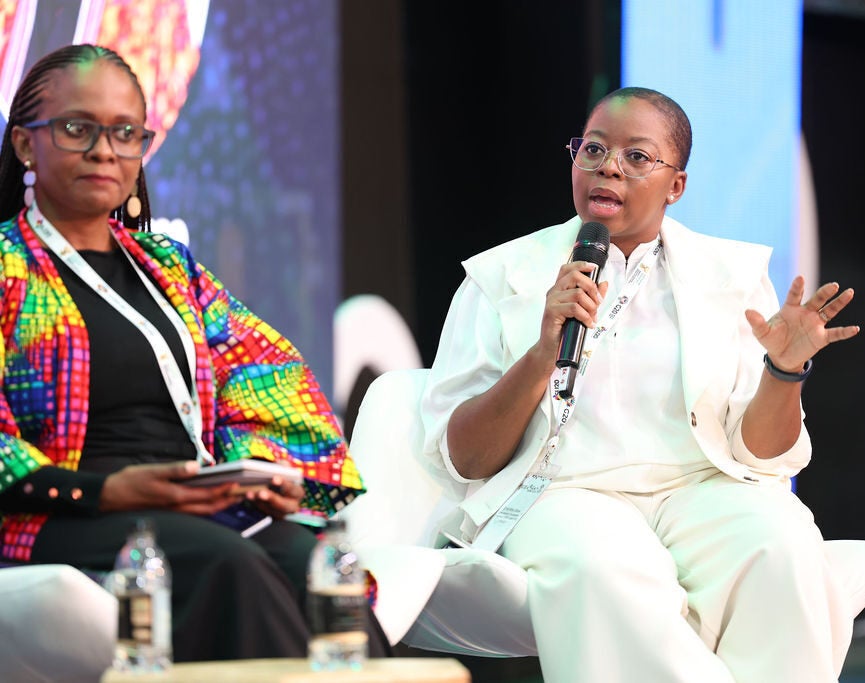
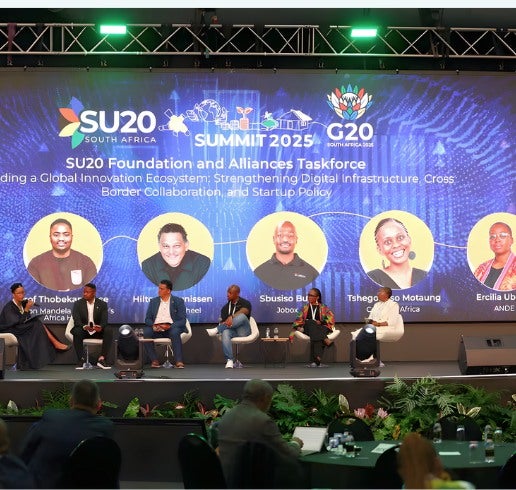
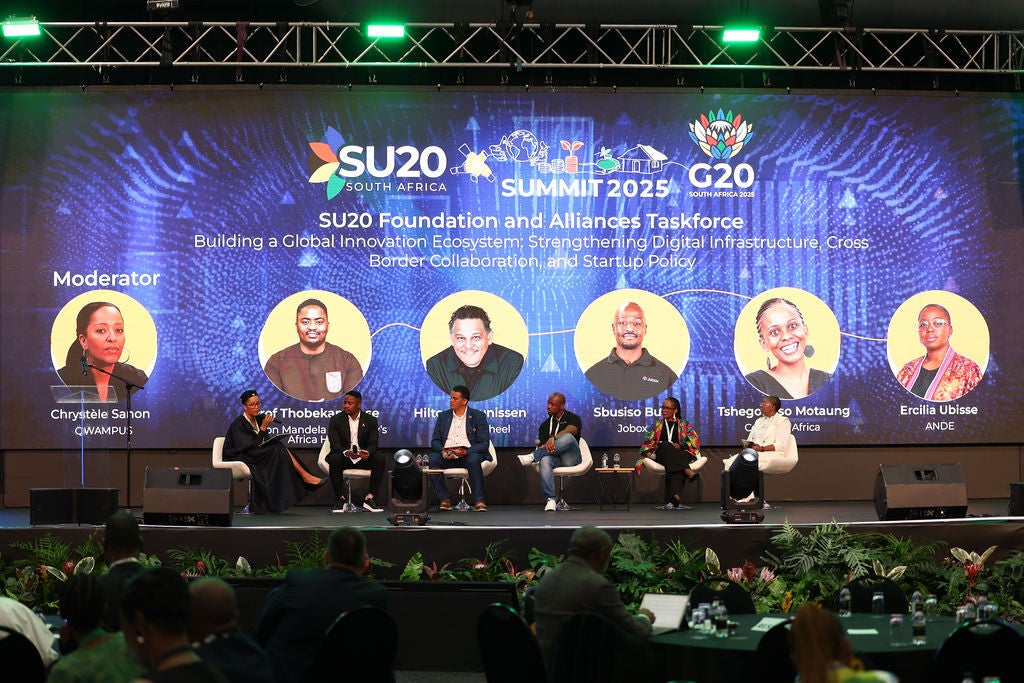
As a knowledge and ecosystem partner, ANDE was proud to join the SU20 Foundation and Alliance Taskforce, represented by Southern Africa Head – Ercilia Mata Ubisse, bringing forward lessons from our global network across Africa, Asia, and Latin America on how locally rooted support organizations fuel enterprise growth. This collaboration was a natural extension of our mission: strengthening small and growing businesses as engines of job creation and economic resilience.
Through the work of the Taskforce and our G20 Entrepreneurship Learning Series, we helped bring together policymakers, investors, educators, and ecosystem builders for conversations that often don’t happen in the same room. These dialogues went beyond surface-level discussions; they focused on how policy design, financing mechanisms, and capacity-building structures can be better aligned to support entrepreneurs not only within individual countries, but also across regions and at different stages of economic development. By creating a shared space for knowledge exchange, we enabled stakeholders to compare challenges, identify common solutions, and build momentum toward more coordinated global action.
ANDE calls on ecosystem actors, policymakers, funders, and practitioners to turn these frameworks into action. Together, we can pilot innovative policies, build cross-regional alliances, and invest in evidence-driven learning that empowers small and growing businesses to thrive. Now is the moment to collaborate, act, and accelerate the growth of the enterprises that fuel inclusive economic prosperity worldwide.