NAWAD and Makerere University are implementing an 18-month initiative to expand women’s leadership and technical participation in Uganda’s briquette value chain.
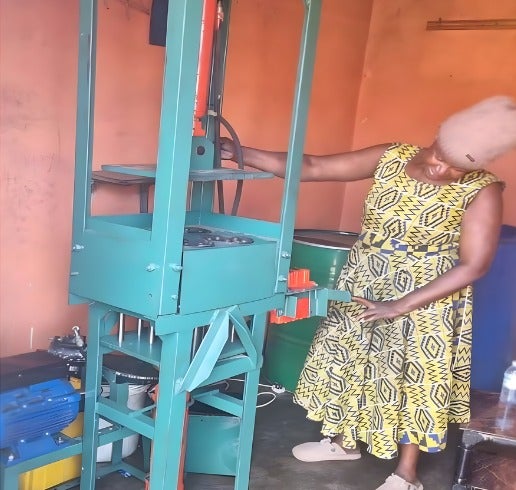
Briquettes offer a cleaner alternative to charcoal and firewood, but women have often been excluded from production because equipment is heavy, fully manual, and designed for physically intensive work. This project tackles that constraint directly by introducing gender-inclusive briquette technology: semi-automated, dual-power machines that can run on electricity or solar and can be operated comfortably by women.
Technology is only one piece of the model. The project is also installing briquette dryers, providing tools and training to produce customized 2-in-1 briquette stoves, and strengthening enterprise support systems to improve production quality and market performance. In parallel, it is piloting the use of renewable raw materials for briquette production—reducing reliance on charcoal dust, which is currently the dominant input in Uganda.
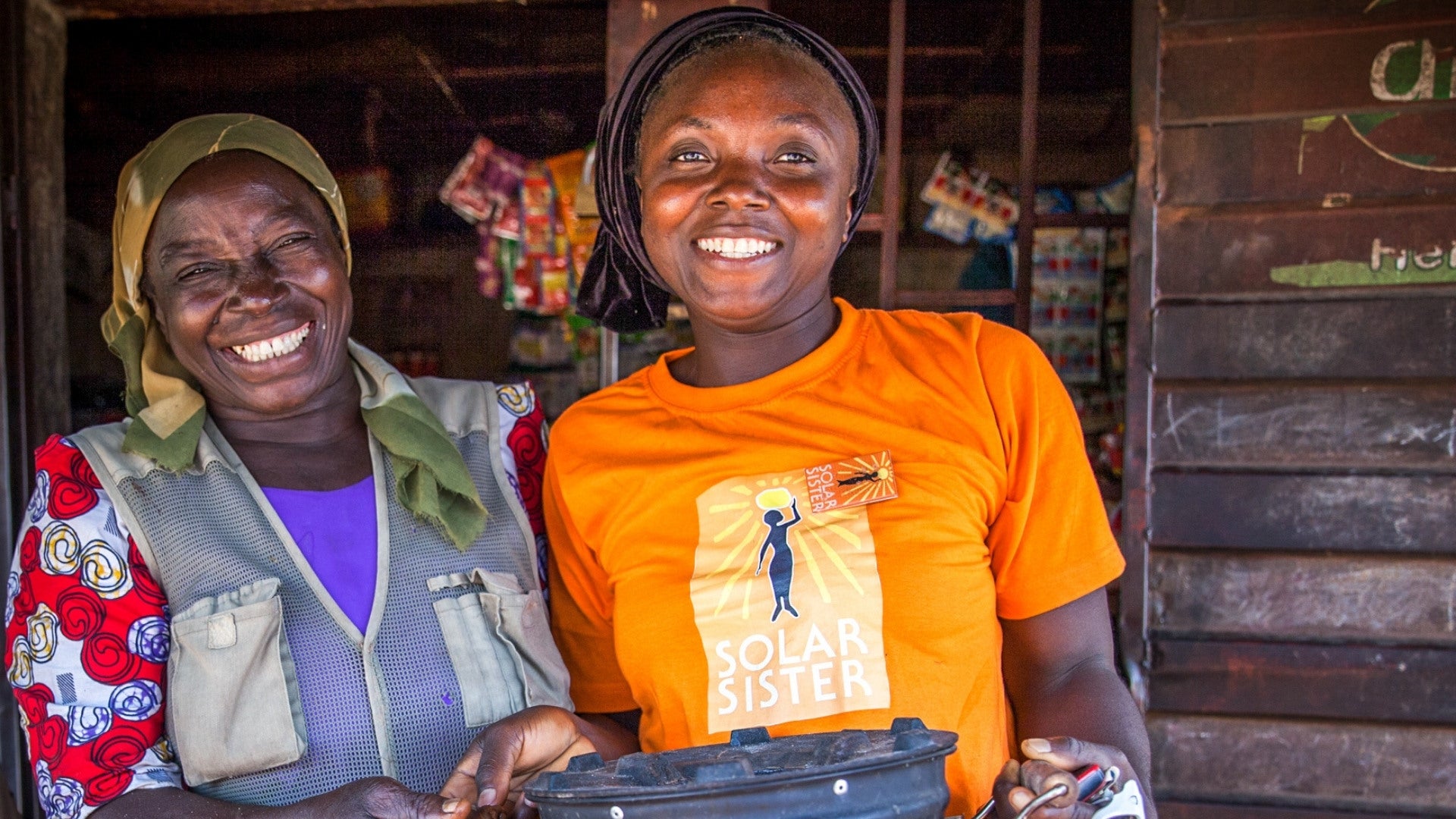
Working with four enterprises in the Greater Kampala Metropolitan Area, the team is training women operators and supporting businesses to scale distribution—expanding access to cleaner household energy. The work is demonstrating what Uganda’s clean energy transition can look like when solutions are designed for the realities of women’s work: practical, inclusive, and powered by women’s innovation.