Women-led clean energy enterprises are helping expand access to increasingly sustainable, resilient energy services. But too often, promising businesses face avoidable barriers before they can scale: limited access to finance, thin networks, restricted partnership pathways, and support systems not designed for the realities they face. In clean energy, those frictions can be even sharper, determined by technical credibility, procurement relationships, and market pathways that male-dominated networks tend to concentrate.
With support from the International Development Research Centre (IDRC), ANDE and 2X Global launched Improving Outcomes for Women-led Clean Energy Enterprises Through Applied Research in 2024 to help close a critical evidence gap. The initiative advances practical research that funders, entrepreneurship support organizations, and ecosystem leaders can use to understand what is blocking women-led enterprises, which responses work in practice, and how to build more effective pathways for growth.
After reviewing more than 50 eligible proposals from Sub-Saharan Africa, Latin America, and the Caribbean, the project selected six research teams, each receiving up to USD 60,000 in financial support.
Findings will be published on a rolling basis as each team completes its work, with reports expected to be available by April 2026.
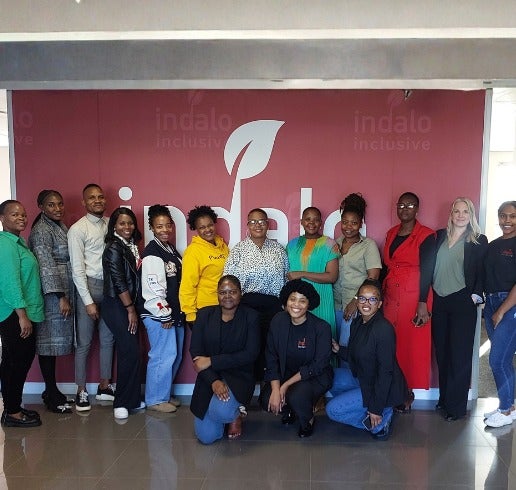
Indalo Inclusive South Africa NPC & The Broker
Women-led clean energy enterprises face barriers that can stall growth—from constrained access to finance and networks to limited mentorship and tailored business support. This project is responding by equipping Entrepreneur Support Organizations (ESOs) with practical, gender-responsive tools to better serve women-owned small, micro, and medium enterprises (SMMEs) in South Africa.
At the center of the work is a draft Gender-Responsive Toolkit, shaped by evidence and practitioner input. It focuses on priority intervention areas identified through the research, including inclusive outreach and recruitment, access to financing, mentorship, and personal development.
Since September 2024, the research team has combined surveys, interviews, case studies, focus groups, and multi-stakeholder dialogues to co-create solutions with women entrepreneurs and ecosystem stakeholders. Early insights have been shared through sector convenings—including the CEDCA Workshop (October) and events held alongside COP30 at the Canadian and Ugandan Pavilions—as well as via the ANDE–Indalo Inclusive Exhibition Booth, helping bring visibility to the evidence and the tools.
Women-led SMMEs often generate benefits that extend beyond the firm—strengthening livelihoods, household resilience, and community wellbeing. This project aims to ensure the support system around them is designed to match the realities they face—and the opportunities they are building toward.
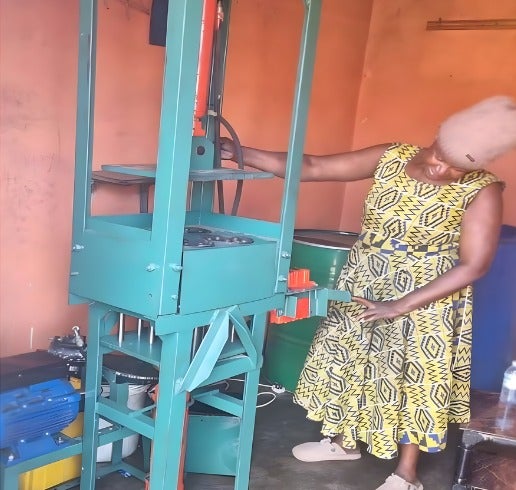
National Association for Women’s Action in Development (NAWAD) & Makerere University
NAWAD and Makerere University are implementing an 18-month initiative to expand women’s leadership and technical participation in Uganda’s briquette value chain.
Briquettes offer a cleaner alternative to charcoal and firewood, but women have often been excluded from production because equipment is heavy, fully manual, and designed for physically intensive work. This project tackles that constraint directly by introducing gender-inclusive briquette technology: semi-automated, dual-power machines that can run on electricity or solar and can be operated comfortably by women.
Technology is only one piece of the model. The project is also installing briquette dryers, providing tools and training to produce customized 2-in-1 briquette stoves, and strengthening enterprise support systems to improve production quality and market performance. In parallel, it is piloting the use of renewable raw materials for briquette production—reducing reliance on charcoal dust, which is currently the dominant input in Uganda.
Working with four enterprises in the Greater Kampala Metropolitan Area, the team is training women operators and supporting businesses to scale distribution—expanding access to cleaner household energy. The work is demonstrating what Uganda’s clean energy transition can look like when solutions are designed for the realities of women’s work: practical, inclusive, and powered by women’s innovation.
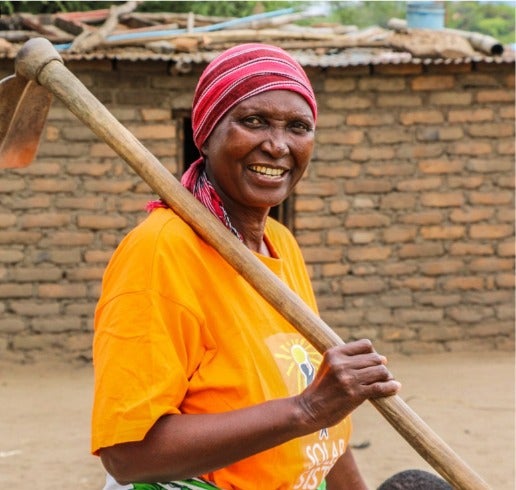
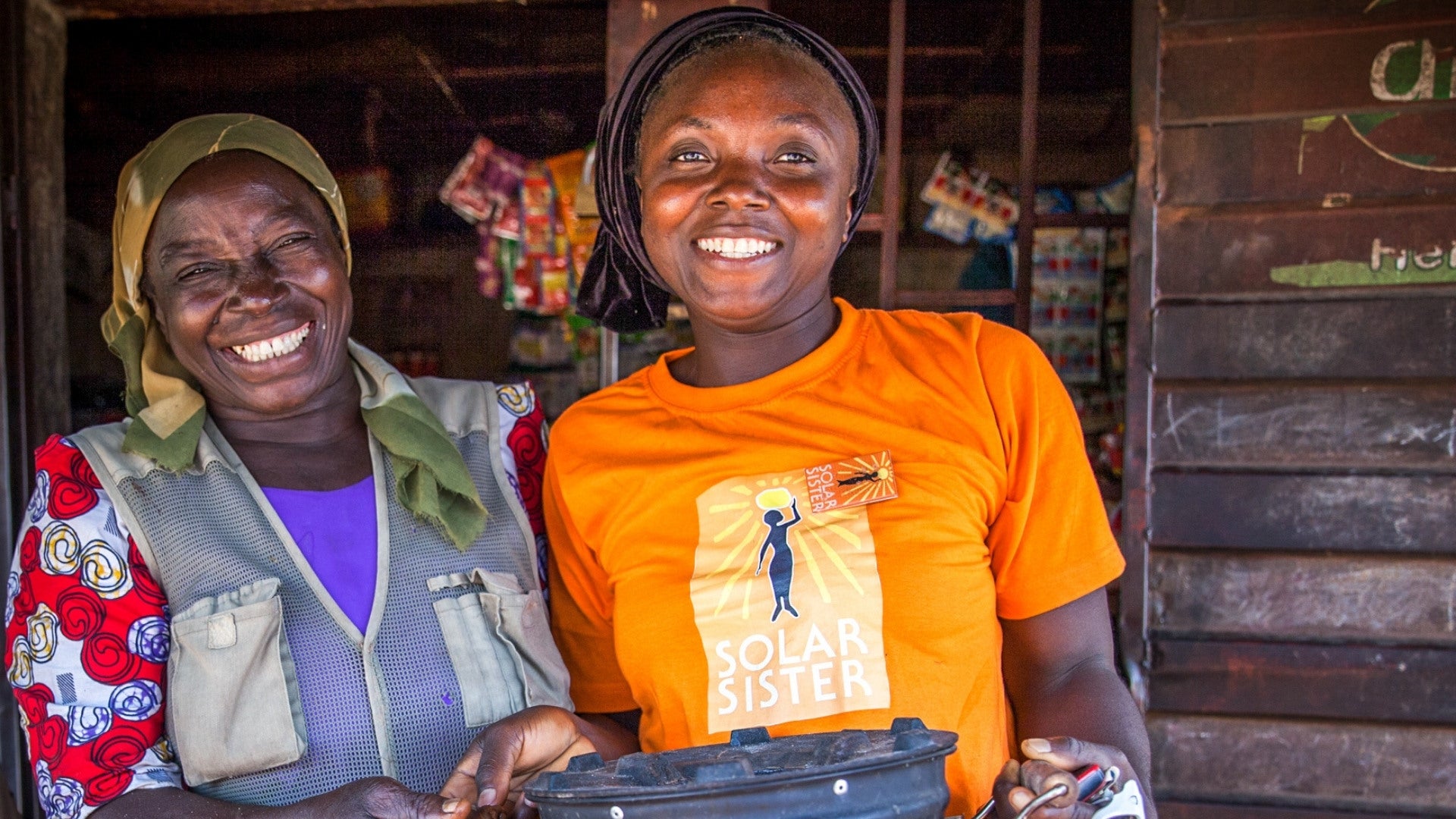
Solar Sister tackles energy poverty by building women-led clean energy businesses at the last mile. The organization recruits, trains, and mentors women entrepreneurs and equips them with a tested business model to launch and grow their own enterprises—expanding clean energy access for underserved and remote households across Sub-Saharan Africa.
Solar Sister partnered with 60 Decibels to conduct a social impact study with program alumni. The research examines how Solar Sister’s peer-to-peer social network and training model influences entrepreneurs’ households, livelihoods, and long-term trajectories—both within the sustainable energy sector and beyond—after their formal engagement with Solar Sister ends.
The findings reinforce a core insight: investing in women entrepreneurs at the last mile does more than increase clean energy access. It can also catalyze new businesses, strengthen household resilience, and generate wider community benefits. The study also surfaces practical lessons for the field, including the role of consistent training participation, the importance of self-defined empowerment as an outcome, and the ripple effects that emerge when women go on to launch additional enterprises.
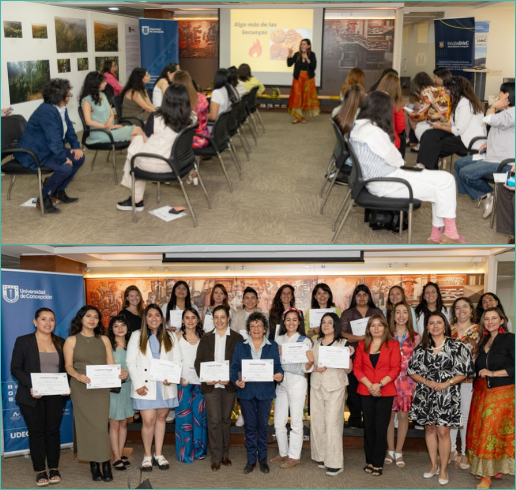
Mujeres Empresarias & Universidad de Concepción
Women entrepreneurs remain underrepresented in Chile’s clean energy sector—even as the country has emerged as a regional leader in renewables. This applied research project responds to that gap by identifying practical best practices and testing solutions that can increase women’s participation and leadership across clean energy and the circular economy.
The research builds on evidence pointing to persistent constraints: gender stereotypes and norms that discourage women from entering male-dominated fields; limited access to financing and professional networks; a shortage of mentors; and gaps in technical and business skills. In clean energy, those barriers are often compounded by the sector’s technology and capital intensity, the scale of typical projects, the need to navigate public–private partnerships, and complex regulatory and administrative processes. (Deloitte, 2024)
At the center of the project is the creation of a Community of Practice (CoP) designed to strengthen entrepreneurship and innovation among women leading cleantech initiatives in Chile. The CoP—Fueling the Change—was established to facilitate knowledge sharing, collaboration, and mentoring, and to build a durable support system for women-led organizations working in clean technologies and circular economy solutions.
On November 25, the program certified 26 women entrepreneurs from eight regions who successfully completed the initiative. The result is more than a cohort: it is a growing national network for clean innovation with a gender lens—designed to help women-led ventures connect, learn, and scale in a sector where relationships, credibility, and technical pathways often shape who gets to lead.
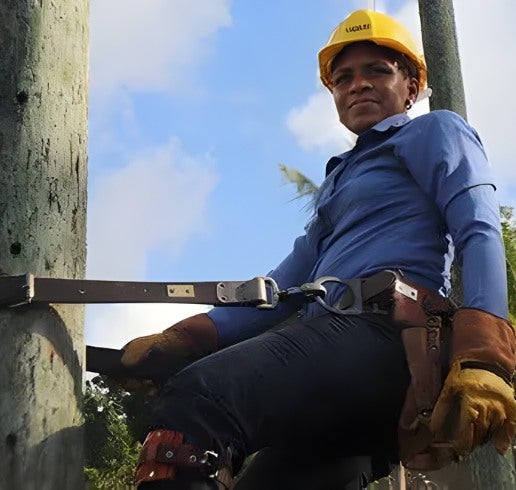
The Caribshare Company Limited & Universidad de Ingeniería y Tecnología
The Caribshare Company and the UIT are conducting applied research to address two persistent constraints for women entrepreneurs in clean energy across the Caribbean: limited access to finance and thin professional networks. With a focus on Jamaica, the study is examining the feasibility of a renewable energy cooperative model designed to support women-led renewable energy enterprises.
Renewable energy cooperatives (RECs) enable people and businesses to participate in local-scale energy generation—rather than remaining end-of-line customers in a centralized system. While cooperative approaches have been tested in more industrialized markets, they remain uncommon in developing contexts, and even rarer when intentionally designed to be gender-inclusive. By exploring whether—and how—this model could work in Jamaica, the project is helping fill a notable evidence gap on renewable energy entrepreneurship in the Caribbean and offering actionable insights for practitioners and entrepreneurs.
The research team is conducting in-depth interviews and focus group discussions with stakeholders across Jamaica’s renewable energy ecosystem to understand entrepreneurs’ needs and constraints, and to assess perceptions of the cooperative model as a potential solution. The study also draws on practitioner insights, case studies, and survey findings. The project will culminate in an action-oriented report that outlines practical recommendations—and a guide for implementation—for using a cooperative approach to expand financing and networking opportunities for women-led clean energy entrepreneurs.

ANDE’s climate and environmental initiatives help small and growing businesses turn climate solutions into scalable, investable models—closing gaps in finance, skills, and ecosystem support to drive inclusive, resilient growth.