As cities grow and consumption patterns shift, waste management has become one of the defining challenges and opportunities of our time. Across Kenya, increasing volumes of waste are placing pressure on ecosystems, public health systems, and local governments. Yet within this challenge lies enormous potential: to create jobs, unlock new markets, and build more resilient, inclusive economies.
At ANDE, we believe that small and growing businesses (SGBs) are central to this transition. That is why we, with support from the IKEA Foundation, have launched a new toolkit designed to help investors, enterprise support organisations (ESOs), and innovators move from ambition to action.
Why Waste Management & Circularity? Why Now?
Kenya generates over 22 000 tonnes of waste daily, with only a small fraction recycled. Much of the rest ends up in open dumpsites or is burned, contributing to pollution, greenhouse gas emissions, and health risks, while valuable materials are lost from the economy.
At the same time, the opportunity is significant. Improved waste recovery could unlock billions of shillings in economic value each year, create tens of thousands of jobs, and support the formalisation of the informal waste sector, particularly for the youth and women. With new regulations such as the Sustainable Waste Management Act (2022) and growing consumer demand for sustainable products, the case for circular solutions has never been stronger.
From Linear to Circular: A Practical Shift
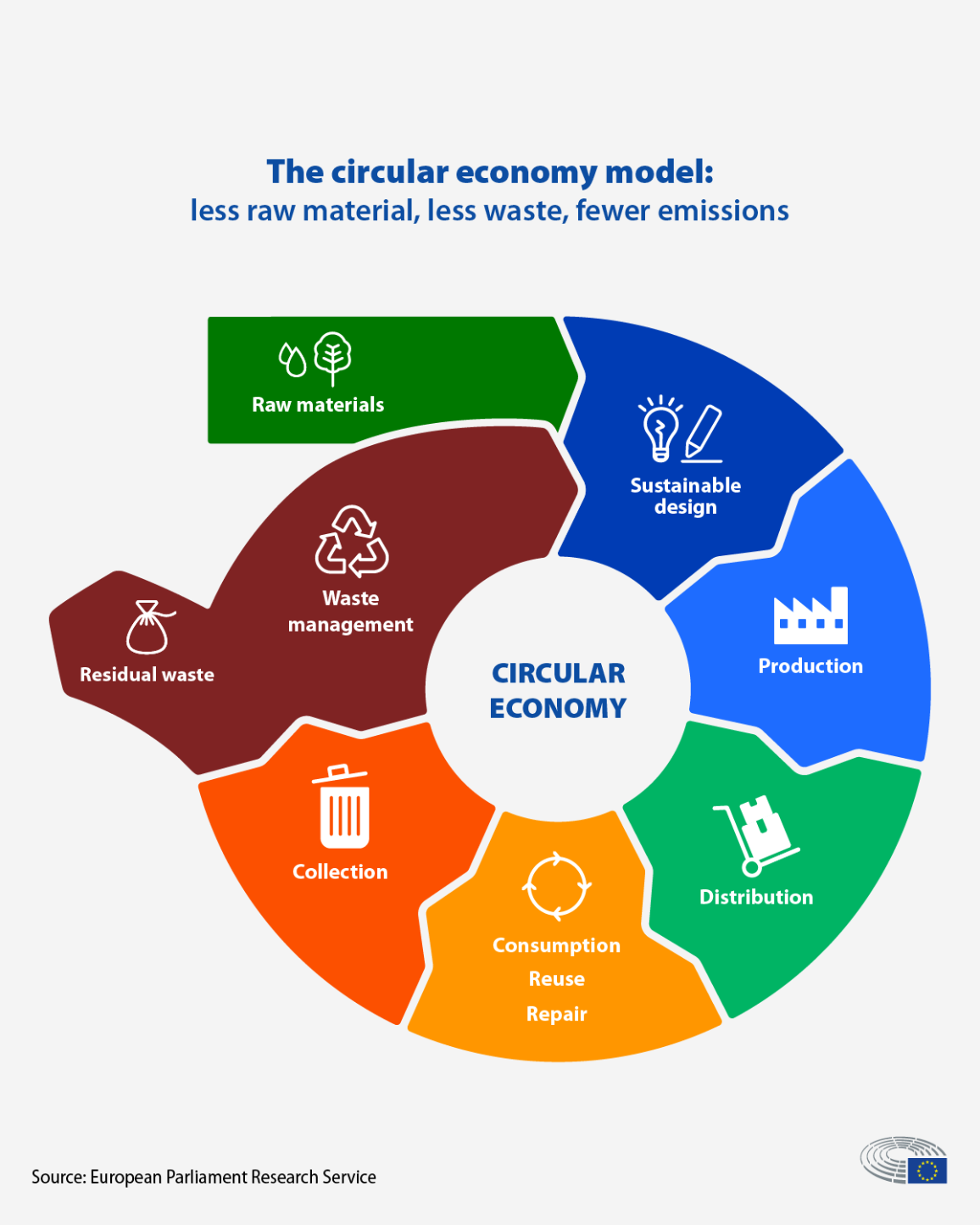
The linear “take–make–waste” economy has shaped how we produce and consume for decades, but its limits are becoming impossible to ignore. The circular economy offers a different path, one that keeps materials in use through reuse, repair, recycling, and recovery. More than an environmental response, circularity is a powerful strategy for building resilient enterprises, strengthening competitiveness, and creating long-term value.
What the Toolkit Offers
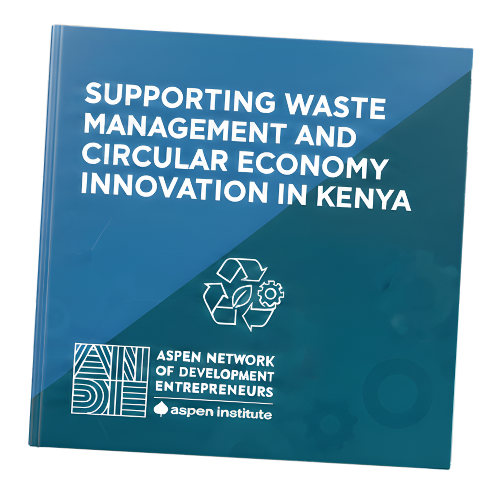
Developed through ANDE’s Climate and Environment Action Lab, the toolkit brings together lessons from Kenya’s waste and circular economy ecosystem and global best practices. It is designed to be practical, adaptable, and action-oriented.
“This toolkit is an outcome of collaboration. It reflects the collective wisdom of ESOs who participated in our Action Lab, ensuring the solutions provided are grounded in the reality of the Kenyan market,” said Rosemary Amondi, Regional Director, ANDE East Africa.
- Clear explanations of waste management and circular economy principles
- Guidance on designing and running effective support programmes for waste-focused SGBs
- Real-world case studies from Kenya and beyond
- Best practices across the full enterprise support journey — from recruitment and programme design to post-programme support and ecosystem engagement
- Tools and frameworks for measuring environmental, social, and business impact
Rather than prescribing a single model, the toolkit helps users tailor their approach based on context, maturity, and sector focus.
Building an Ecosystem for Impact
One of the toolkit’s core messages is that no single actor can drive the circular transition alone. Lasting change requires collaboration between entrepreneurs, ESOs, investors, corporates, governments, and communities.
By aligning capital, capacity building, policy advocacy, and market access, Kenya’s waste and circular economy ecosystem can unlock solutions that are not only environmentally sustainable but also economically viable and socially inclusive.
The transition to a sustainable future is no longer just an option; it is an imperative. By empowering SGBs with the right tools and capital, we can create a cleaner, more inclusive economy where entrepreneurs flourish, and our planet thrives.
We invite you to download, share, and implement the findings of this toolkit.
About the Climate and Environment Action Lab
“The ANDE Action Lab is a collaborative initiative aimed at identifying and testing solutions to support SGBs in the climate and environment sector. This project was made possible with the support of the IKEA Foundation.”