
Human or AI? Our lively, hands-on session co-led with Satu Creative explored why trust, intuition, ethics, and purpose continue to matter in business, investing, and ecosystem building, even as AI transforms the way we work.
The discussion opened by acknowledging a reality familiar to everyone in the room: artificial intelligence is rapidly transforming how we work, make decisions, and build organizations. Rather than framing AI as a threat, our expert speaker, Farouk Khalid, Senior Advisor (People & Culture) at Satu Creative, encouraged participants to ask a more meaningful question: not whether machines will replace humans, but where human value becomes even more important as technology grows more capable. He emphasized that the future lies in humans working alongside AI, with judgment, purpose, and values remaining uniquely human strengths.
To bring this idea to life, the session began with an interactive “Human or AI?” quiz, presenting participants with real-world scenarios that ranged from investment decisions and writing condolence messages to judicial sentencing, navigation, and even choosing between a home-cooked meal and one prepared by a machine. While participants overwhelmingly trusted AI for tasks driven by efficiency, such as navigation, they consistently chose humans for decisions involving empathy, ethics, trust, and emotional connection. The exercise sparked lively discussion and reinforced the session’s central message: while AI may outperform humans in speed, memory, and data processing, people remain uniquely equipped to determine what matters, what is right, and what deserves excellence.
Farouk grounded the discussion in the rapid rise of generative AI, noting that its adoption has spread far beyond the technology sector to students, educators, business leaders, and even families. Yet, he argued, widespread access to AI has not automatically translated into successful organizational adoption. The real challenge is not technological but human, requiring trust, leadership, capability, and sound judgment to integrate AI effectively. This led into the session’s central framework: four human qualities that will become even more valuable in the age of AI: trust, intuition, ethics, and purpose.
Using relatable examples and research, Farouk explored each of these qualities in turn. While AI can process information and improve efficiency, people ultimately place their trust in other people and institutions, especially when decisions affect their lives. He described intuition as “compressed experience,” the ability to interpret context, timing, and human behavior in ways that algorithms cannot, and cited research showing that entrepreneurs who combined AI-generated recommendations with their own judgment outperformed those who relied solely on either AI or traditional advice. Ethics and purpose remain fundamentally human responsibilities. AI may recommend the most efficient course of action, but humans must decide whether that action is fair, aligned with shared values, and worth pursuing in the first place. The session reinforced the idea that the future is not about humans competing with AI, but about humans using AI as a partner while retaining responsibility for direction, accountability, and purpose.
The presentation then shifted from theory to participation as attendees were divided into breakout groups. Each group was assigned one of the four themes, trust, intuition, ethics, or purpose, and invited to discuss where humans continue to create unique value in an AI-enabled world. Rather than seeking definitive answers, participants were encouraged to challenge one another’s perspectives and distill their conversations into a single, bold statement capturing why humans will continue to “win” in that area.
Participants shared key insights from their breakout discussions, with each group reflecting on one of the four human advantages. Despite approaching the topic from different perspectives, including investing, program design, ecosystem building, and legal decision-making, a common thread emerged: AI can enhance analysis and efficiency, but humans remain essential for bringing empathy, contextual understanding, accountability, and sound judgment to complex decisions. Participants emphasized that trust is built through integrity rather than accuracy alone, that successful program design depends on understanding local realities and future aspirations, and that ecosystems thrive on relationships and shared purpose, qualities that technology can support but not genuinely create. Across sectors, the consensus was clear: AI is a powerful assistant, but not a substitute for human responsibility and discernment.
Farouk concluded the session by distilling the discussion into three key messages. First, as access to AI becomes universal, humanity, not technology, will become the true competitive advantage. Second, in a world where information and answers are increasingly abundant, the ability to exercise sound judgment and ask better questions will distinguish effective leaders from the rest. Finally, he argued that the role of leaders is shifting from doing and producing to deciding and guiding. While AI will increasingly take on execution and analysis, humans must continue to provide direction, uphold values, and define the future they want to create. It was a fitting close to a session that reframed AI not as a replacement for human intelligence, but as a tool whose greatest value depends on the wisdom, ethics, and purpose of the people using it.
The important discussion reinforced an important message for entrepreneurial ecosystems across Asia: AI is not a replacement for human expertise, but a tool that can amplify it. As ecosystem builders, investors, and entrepreneur support organizations navigate rapid technological change, the challenge is not simply adopting AI, but using it in ways that strengthen trust, inclusion, and long-term impact.

Day 1 of the ANDE PAC 2026 focused on the foundations of strong entrepreneurial ecosystems. Across keynote discussions and thematic sessions, speakers explored how collaboration, data-driven decision-making, inclusive program design, and ecosystem partnerships can create the conditions for entrepreneurs to thrive.

Day 2 of the ANDE Pan-Asia Convening 2026 explored practical approaches to supporting entrepreneurs through stronger ecosystems.
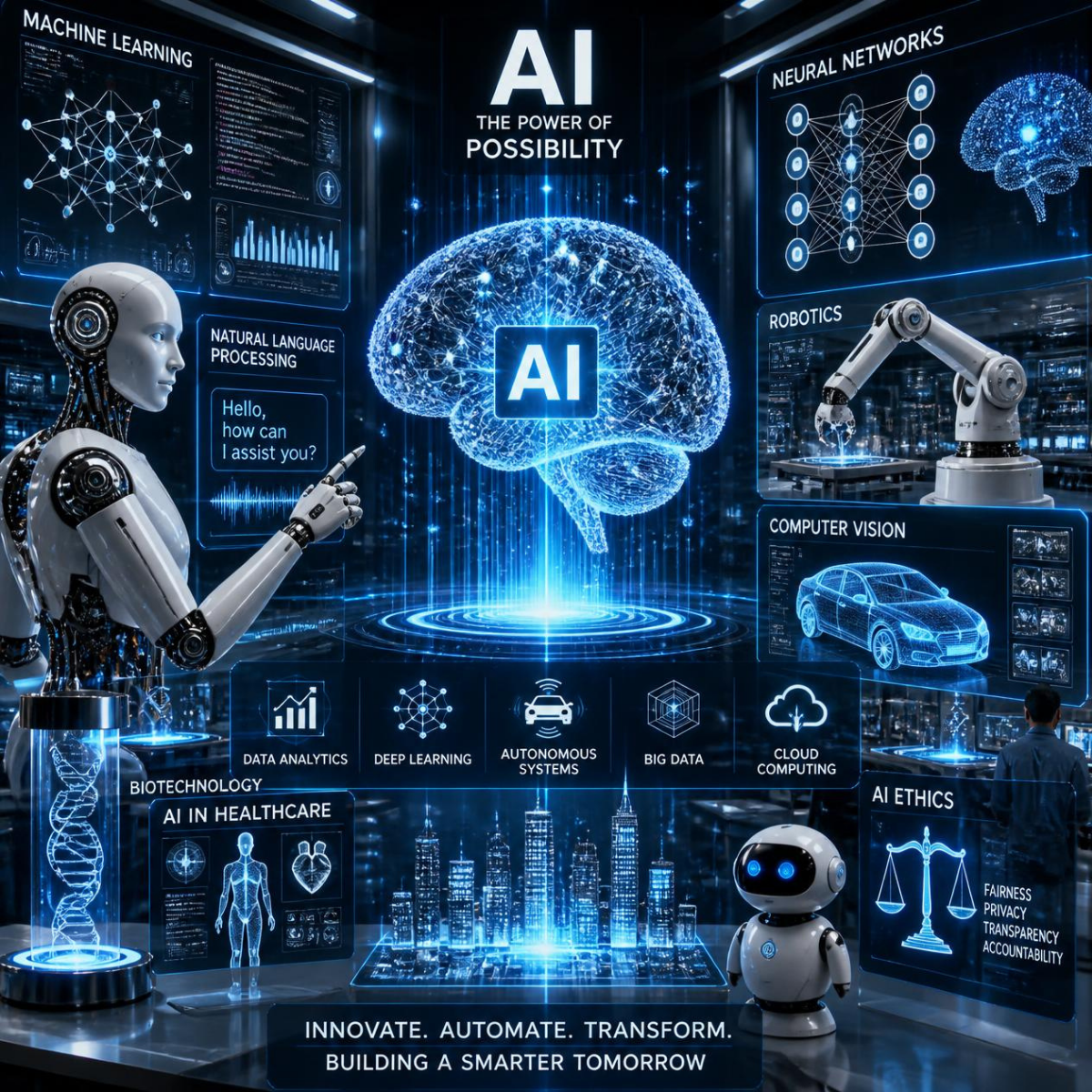
Day 3 of the ANDE Pan-Asia Convening 2026 focused on one of the defining questions facing entrepreneurial ecosystems today: how can artificial intelligence (AI) be adopted in ways that strengthen, rather than replace, human expertise?

AI is rapidly becoming part of everyday work across the social impact sector, but for many organizations, the challenge is no longer whether to adopt AI; it is how to do so responsibly and effectively.

Through discussions around the Gender ROI™ framework, this session, led by Sweef Capital, encouraged participants to examine their internal practices, decision-making processes, and capital allocation strategies, offering practical tools to measure and strengthen gender-inclusive outcomes.