
Villgro Philippines Co-Founder and CEO, Priya Thachadi, on the gap between climate enterprises already restoring ecosystems and the capital, policy and metrics still catching up to them.
Priya Thachadi is Co-Founder and CEO of Villgro Philippines, an impact incubator that funds, mentors and supports enterprises addressing social and climate challenges across Southeast Asia. Since 2019, Villgro has directly supported more than 230 enterprises — more than 85% of them women-led.
ANDE: What has been evolving in the climate entrepreneurship space in the Philippines?
Villgro Philippines’ climate work has deepened over the last 4 years, responding to the urgency of the region and to the role small businesses can play in accelerating climate action. The Philippines is one of the most climate-vulnerable countries in the world, and one of the most biodiverse — but economic growth has often come at nature’s expense. That tension is shaping a new generation of entrepreneurs who treat nature not as a resource to extract, but as a foundation to restore.
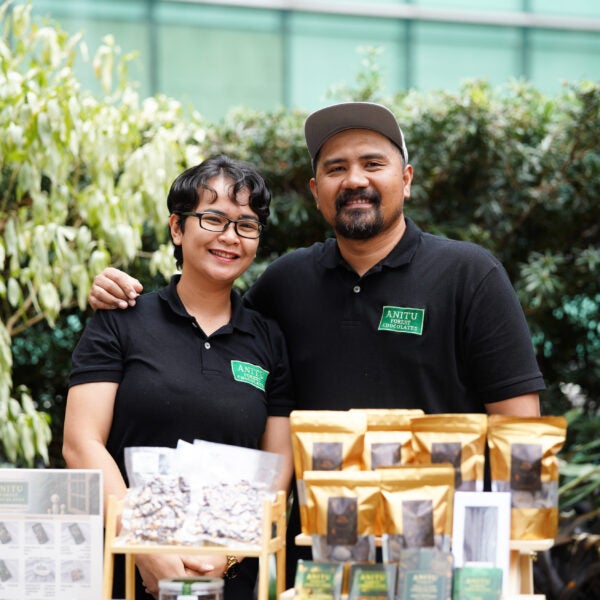
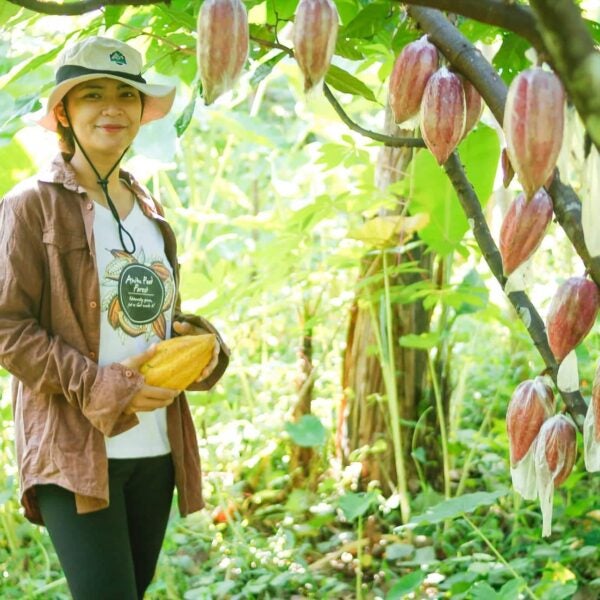
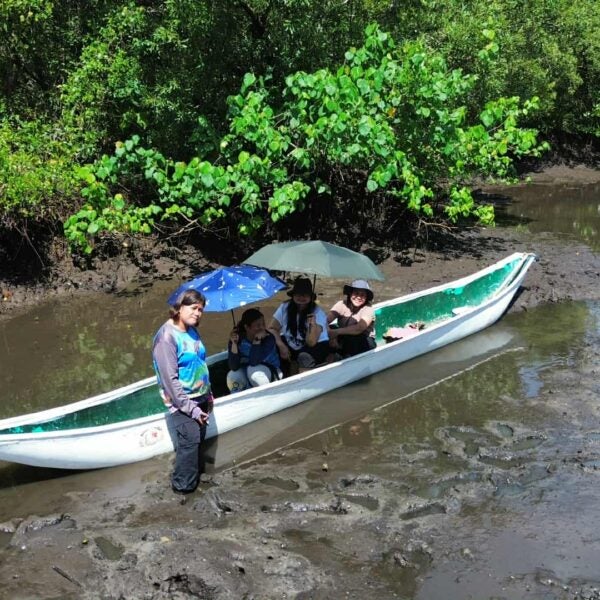
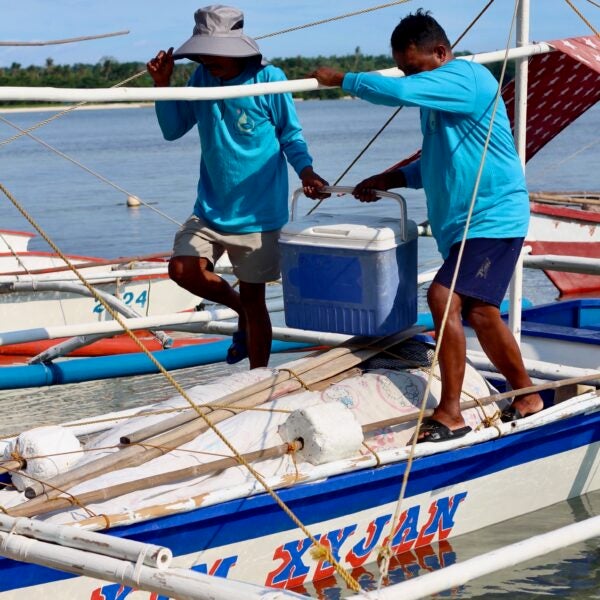
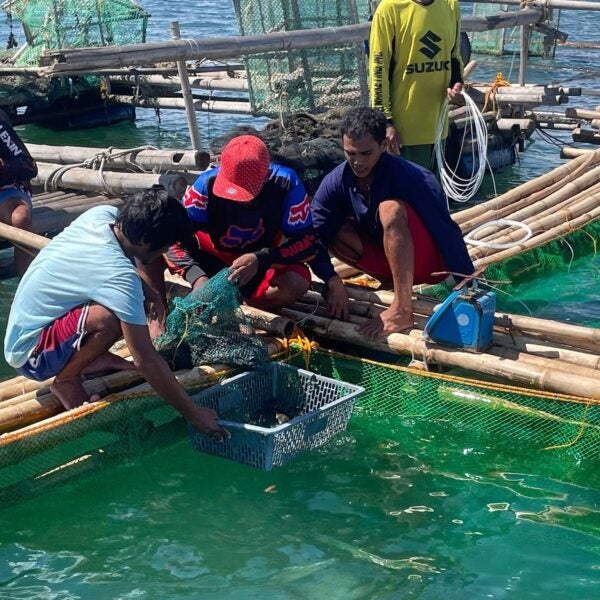
Many nature-based enterprises across the country have operated for years without using the term. A recent landscape assessment found that nature-based solutions (NbS) principles are already embedded in Philippine communities and businesses — from community-led reforestation, mangrove protection, sustainable fisheries and coastal restoration to agroforestry — even when practitioners don’t use the NbS label. We’ve seen this firsthand. Through our Nature2Nurture program in Palawan, we supported Indigenous-led handicraft enterprises and regenerative eco-resorts that were doing the work long before the label existed. One of them, Kebyagan Teyo, doubled its Indigenous community beneficiaries and grew revenue by 131% through the program. Building on that, our NatureNest Accelerator received 40 applications from enterprises spanning sustainable aquaculture, agroforestry, ecotourism and forest stewardship across Luzon, Mindanao and the Visayas, and supported 10 enterprises protecting ecosystems from ancestral forests in Palawan to mangrove coastlines in Sorsogon.
The enabling environment has not kept pace. Of 96 NbS-relevant policies reviewed across Philippine government agencies, only five explicitly mention nature-based solutions. Private sector investment remains limited, held back by the absence of standardized impact metrics and unclear financial return profiles. Many enterprises doing serious work remain invisible to mainstream capital.
The signals are shifting. Our NatureNest Impact Showcase in March 2026 drew 103 attendees, 59% from outside our network — evidence of growing appetite from investors and partners. But closing the gap between the entrepreneurs already doing the work and the systems meant to support them remains the central challenge of this sector.

ANDE: Could you share your ongoing programs and how ANDE members could collaborate with you?
At Villgro Philippines, we back enterprises that others often overlook: early-stage, community-rooted, and working at the intersection of climate, gender and livelihoods. Our Fair Futures Accelerator is in its Climate Ascent phase, providing 12 enterprises with intensive mentorship, investment readiness support and direct connections to capital providers. Our Nexus for Equity Accelerator is in its final phase, delivering tailored financing support to gender-responsive climate enterprises. And our Climate-Gender Working Capital facility is one of the few small and growing business (SGB)-focused blended financing facilities in the region, unlocking small-ticket financing for climate enterprises by bringing together local investors.
These initiatives reflect our core approach: rigorous business support with a gender lens, and connecting enterprises to the funding and networks they need to grow and create lasting impact. We welcome collaboration with organizations that share this mission — through co-programming, co-investments or pipeline referrals. If you work with nature-based or climate enterprises in Southeast Asia and want to explore how we might work together, get in touch through villgrophilippines.org.
ANDE: What would you say to aspiring entrepreneurs building environmentally conscious businesses?
Be obsessed with the problem, not the solution. The strongest enterprises we’ve supported are the ones where the founder is embedded in the community they serve, where the business model grows out of local knowledge and relationships rather than assumptions made from the outside.
Build for restoration, not just sustainability. There is a meaningful difference between doing less harm and actively regenerating the ecosystems your enterprise depends on. Founders who embrace that distinction tend to build businesses that hold up over time.
And measure your impact early, even imperfectly. Your environmental and social outcomes are part of your value — to investors, to partners, and to the communities you serve. Don’t wait until you feel ready to start tracking them. Start now, iterate, and let the data tell your story.
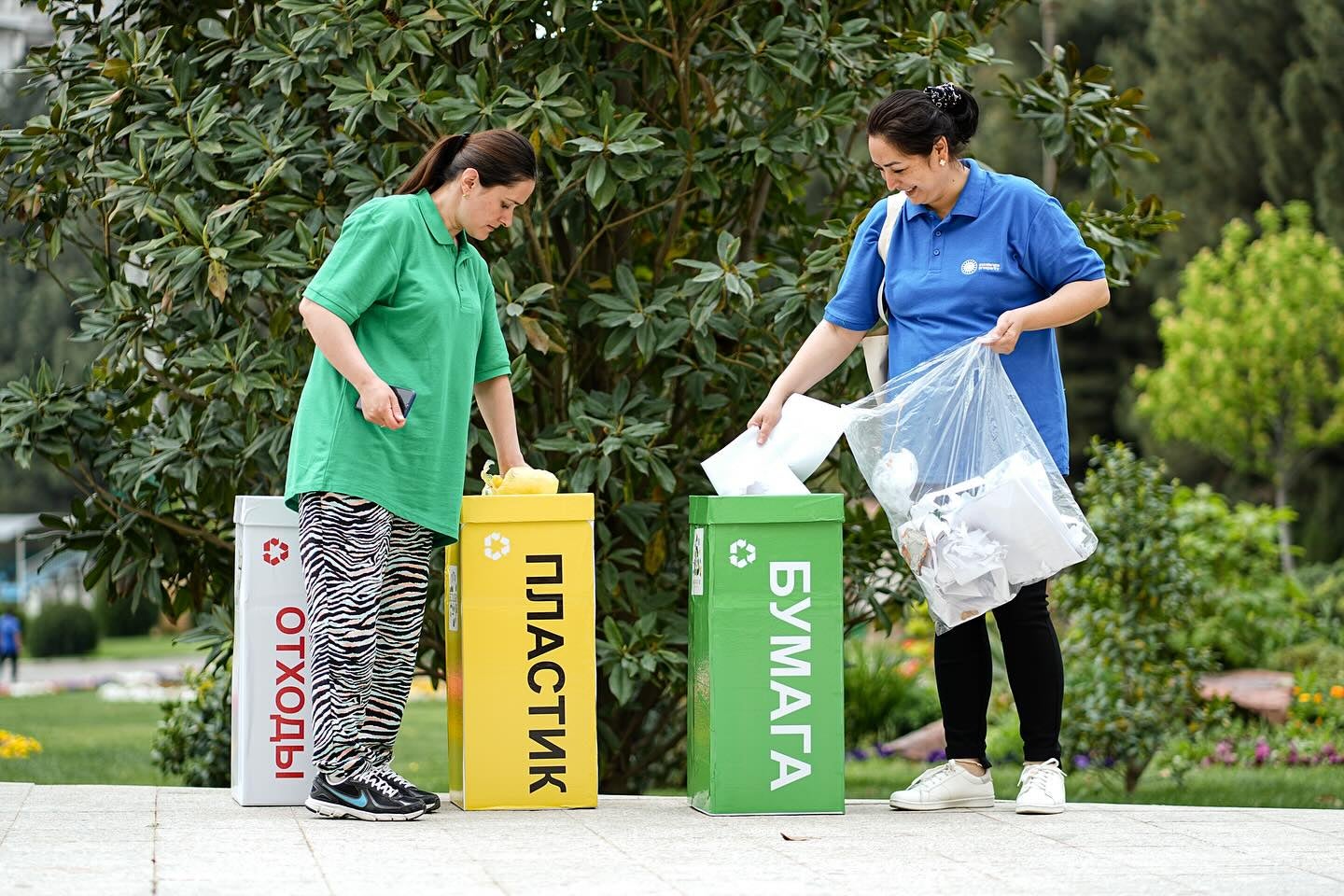
Accelerate Prosperity’s portfolio shows climate entrepreneurship is rising—but fragmented markets, weak value chains, and limited capital slow scale. Targeted pipelines, credible measurement, and ecosystem coordination can unlock investable growth.
Sujata Rathi of FSG explains why green SGBs struggle to scale and how ecosystem collaboration, smarter finance, and practical support can unlock climate impact.
The Heifer International expert emphasizes inclusive, sustainable development that strengthens women, youth, and marginalized groups to build resilient livelihoods and systemic agricultural change.