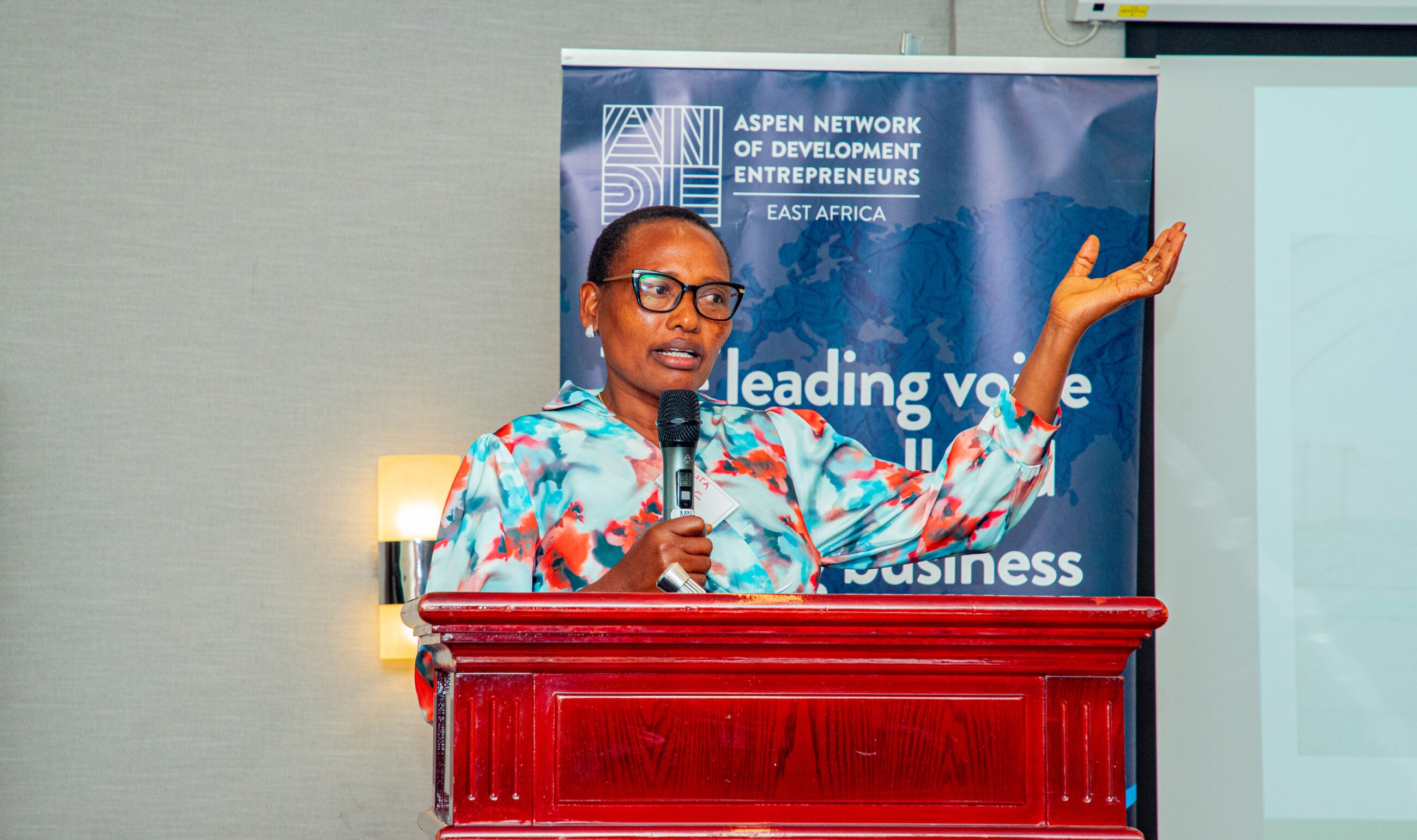
On 14 May 2026, the ANDE East Africa chapter, in collaboration with MEDA, convened diverse ecosystem stakeholders in Dar es Salaam, Tanzania, for a research dissemination workshop. Grounded in deep operational data from the ANDE-IDRC-2X Global initiative, the workshop mapped actionable pathways to dismantle structural barriers and foster a more resilient enterprise support ecosystem.
From Evidence to Action
Women-led clean energy ventures face a notoriously lean support matrix: thin professional networks, restricted partnership pathways, capital access constraints, and technical training modules that often fail to address the realities of domestic realities. To solve these deep-seated problems, the ecosystem must transition from viewing women merely as passive consumers of clean energy to centering them as proactive leaders, innovators, and employers.
1. Breaking Barriers: Key Applied Research Highlights
The workshop showcased groundbreaking data from two localized research initiatives, highlighting how structural interventions drive transformative socioeconomic shifts:
- Tech Adoption & Economic Mastery (NAWAD & Makerere University, Uganda): Investigating an 18-month project in the briquette value chain, researchers discovered that introducing gender-responsive, labor-reducing technology effectively eliminated women’s reliance on manual male labor. Given access to proper machinery, women independently mastered production operations, built technical confidence, and actively expanded local employment.
- The Long-Term Launchpad Effect (Solar Sister & 60 Decibels, Tanzania): A rigorous social impact study tracking Solar Sister alumni revealed an extraordinary economic ripple effect:
- 92% of alumni are actively earning an independent income years after formal participation.
- 65% leveraged their training to launch secondary, additional business ventures.
- Social Transformation: Financial independence directly reformed local social structures, translating into increased household respect, better domestic nutrition, stabilized education funding, and expanded clean energy access.
2. Field Proof: Programmatic & Operational Success
The workshop brought local implementation models to the forefront, proving that targeted support mechanisms yield tangible results:
Case Highlights:
MEDA’s Value Chain Footprint MEDA presented its expansive programmatic footprint across seven agricultural value chains in Tanzania. To date, the initiative has reached 25,857 farmers and 330 agribusinesses, driving the creation of 15,312 decent jobs. A standout example of this impact is Felista Mpore, founder of the Food Production and Processing Complex (FPPC). Through targeted technical assistance and structured mentorship provided by MEDA, Felista successfully doubled her enterprise’s annual processing capacity from 15 to 30 metric tonnes.
3. Redesigning the Support Architecture: ESO Sustainability
A thriving entrepreneurship ecosystem requires financially secure Entrepreneur Support Organizations (ESOs). However, data from an Anza Entrepreneurs Case Study revealed an acute structural vulnerability within the local landscape:
- 74% of Tanzanian ESOs generate less than 20% of their income from service fees.
- 52% rely primarily on donor funding, resulting in fragile operations.
- Geographic Disparity: 63% of ESOs are concentrated in Dar es Salaam, leaving rural regions severely underserved.
To break this donor dependency, Anza showcased its innovative “Fees-for-Service” model, aiming to achieve a balanced 50/50 funding split by 2027. This shift relies on a fundamental rule: value must precede the invoice. ESOs must rigorously document their return on investment (ROI) to prove tangible value to early-stage businesses.
4. A Blueprint for Action: Recommendations for the Ecosystem
To convert these insights into localized market realities, workshop participants outlined definitive mandates for three core ecosystem pillars:
- For Funders & Investors: Prioritize underwriting ESOs’ core sustainability and resource mobilization strategies, rather than exclusively funding rigid, short-term program delivery. Deploy multi-year, milestone-based grants and establish tailored credit lines or start-up capital mechanisms for women-led green ventures.
- For ESOs: Design training programs for fluid transferability; structuring hard and soft modules (e.g., bookkeeping, digital skills, budgeting) so they easily translate to non-energy ventures. Safeguard attendance by introducing localized peer-led circles or logistical support to actively help women bypass structural and care constraints.
- For Governments & Policymakers: Create legal frameworks that allow ESOs to generate commercial income streams legally under NGO frameworks. Simplify business registration, offer corporate tax incentives for ecosystem engagement, and intentionally build green procurement linkages for women-led ventures.
The Path Forward
Translating written research into tangible market action requires robust Public-Private Partnerships and radical, transparent knowledge sharing; including openly dissecting failures. By aligning market solutions with demand-driven research, the East African entrepreneurship ecosystem can ensure that female innovators are fully equipped to lead the green transition.